
MAXIMIZE the 179D Tax Deduction
Energy-Efficient Tax Savings for Commercial Buildings in Michigan

About 179D Program
What Type of Buildings Qualify?









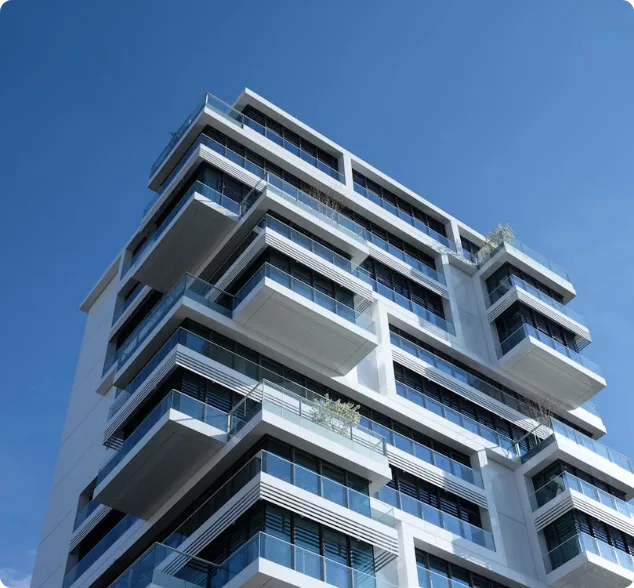
HOW THE 179D TAX DEDUCTION HELPS YOU SAVE
The Benefits of the 179D Tax Deduction in Michigan
Who in Michigan Can Benefit from the 179D Deduction?
Building owners in Michigan who make energy-efficient improvements to their properties can unlock substantial tax savings through the 179D deduction. Whether you own a small office building, a retail space, or a large industrial complex, this tax incentive allows you to reduce your tax burden by implementing environmentally sustainable upgrades. The 179D deduction rewards you for making energy-saving changes such as upgrading to energy-efficient lighting systems, improving HVAC systems for optimized heating and cooling, or installing high-performance insulation that reduces overall energy consumption.
For building owners, the 179D deduction offers a powerful way to recoup a portion of the capital investment required for these upgrades. By qualifying for up to $5.00 per square foot in deductions, owners can realize immediate and long-term cost savings, both in terms of reduced energy bills and tax savings. Additionally, energy-efficient buildings can enhance property values and tenant satisfaction, making them more attractive to environmentally conscious businesses or organizations.
Architects and engineers in Michigan play a crucial role in the design and construction of energy-efficient buildings, and they too can benefit from the 179D tax deduction. While traditionally the deduction has been claimed by building owners, the 179D deduction also provides unique opportunities for architects, engineers, and contractors working on government-owned properties. When these professionals design energy-efficient features—such as advanced lighting systems, high-efficiency HVAC systems, and building envelopes for government-owned or public-use buildings—they are eligible to claim this deduction for their contributions to reducing energy consumption.
The 179D deduction is a key incentive for architects and engineers looking to promote sustainable design practices. It not only provides financial benefits but also supports your reputation as a leader in green building. Whether you're designing new government buildings or retrofitting existing ones, the 179D deduction offers a chance to claim up to $1.80 per square foot for energy-efficient design. This makes it an attractive incentive for firms looking to increase their project margins while contributing to sustainable development goals.

Thank you for your interest in TaxTaker!

Download our 179D Guide for Michigan Commercial Buildings
What Building Improvements are Eligible under 179D?




Michigan and Local Energy-Efficiency Incentives
Michigan offers a wide range of incentives to encourage businesses and residents to adopt energy-efficient practices and renewable energy technologies. These programs provide financial support, tax credits, and rebates to reduce the upfront costs of sustainable energy investments.
- Charge Up Michigan Program: The Charge Up Michigan Program helps fund the installation of electric vehicle charging stations across the state. It aims to increase the availability of EV charging infrastructure, supporting Michigan’s transition to cleaner transportation options. [1]
- Nonrefundable Business Activity Tax Credit: This tax credit is available to businesses that engage in energy-efficient practices or renewable energy investments. It helps offset the cost of implementing sustainable practices by reducing overall tax liabilities for eligible businesses. [2]
- Refundable Payroll Tax Credit: Michigan offers a refundable payroll tax credit to businesses that hire employees in energy-efficient industries. This credit incentivizes job creation in the clean energy sector by providing businesses with tax relief based on their payroll expenses. [3]
- Indiana Michigan Power - EV Incentive: Indiana Michigan Power provides rebates and incentives for residential and business customers who install electric vehicle charging stations. This program helps reduce the cost of setting up EV infrastructure and promotes the adoption of electric vehicles in Michigan. [4]
- Renewable Electricity Production Tax Credit (PTC): The federal Renewable Electricity Production Tax Credit (PTC) rewards companies and individuals for generating electricity through renewable sources like wind, solar, and biomass. This incentive encourages the development of renewable energy projects and helps lower the costs of producing clean energy. [5]
- Alternative Fuel Vehicle Refueling Property Tax Credit: Michigan offers tax credits for the installation of alternative fuel vehicle refueling stations, including electric charging stations and natural gas refueling infrastructure. These credits support the expansion of clean transportation options across the state, reducing dependence on traditional fossil fuels. [6]
City-Specific Green Building Requirements in Michigan
Michigan is actively promoting energy-efficient and sustainable building practices through a variety of codes and initiatives. These regulations are designed to reduce energy consumption, encourage renewable energy use, and ensure that buildings are constructed with long-term environmental sustainability in mind.
Building Energy Code
Michigan’s Building Energy Code sets mandatory energy efficiency standards for new constructions and significant renovations. These standards aim to reduce energy usage by improving insulation, lighting, and heating systems in both residential and commercial buildings.
Energy Efficiency in State Buildings
This program focuses on enhancing energy efficiency in Michigan’s state-owned buildings, requiring energy-efficient upgrades and operational practices to reduce energy costs and lower carbon footprints. State agencies are tasked with meeting these standards to lead by example in sustainable building practices.
Renewable Energy and Energy Storage Facility Siting
Michigan has developed guidelines for the siting of renewable energy and energy storage facilities to ensure that these projects are implemented efficiently and with minimal impact on communities. This initiative supports the state’s goals of expanding renewable energy infrastructure while addressing public concerns related to land use and environmental impacts.
Get a Personalized 179D Assessment for your Project
Frequently Asked Questions

Our specialized accounting and engineering teams have been securing these tax incentives for over a decade. Our highly specialized experience means your business is positioned for the maximum amount of benefit, with the confidence that you've got an accurate and complete deliverable every time. So far we have completed thousands of studies and saved our clients more than $100 million.
We also respect and want you to keep your existing accountant and bookkeeping relationships. We simply cover specific portions of the federal tax code with the finest precision so your existing teams are well supported and you spend your time doing what you do best: building your company - while getting lots of money back every year!
It is possible that your CPA has taken other deductions but not necessarily the 179D Tax Deduction. Incentives like 179D and 45L require an in person site visit from an engineer that most CPA’s are not qualified to perform.
Yes, the energy incentives in the Inflation Reduction Act (IRA) are legitimate and have been designed to promote investments in renewable energy, energy efficiency, and the transition to a cleaner energy economy.
The Inflation Reduction Act (IRA) introduced several significant updates to key tax incentives, including the Investment Tax Credit (ITC), Section 179D for energy-efficient commercial buildings, Section 30C for alternative fuel vehicle refueling property, and Section 45L for residential energy-efficient property.
The best time to evaluate energy incentives like the 179D deduction, 45L tax credit, and the Investment Tax Credit (ITC) is right at the beginning of your project planning phase. Doing this early allows you to design your project to meet specific requirements, ensuring you qualify for maximum benefits and can plan your budget effectively. It also helps you integrate energy-efficient technologies and renewable energy systems from the start, rather than retrofitting later, and gives you ample time to gather necessary documentation for compliance.
Working with TaxTaker is risk free. TaxTaker collects a success fee only if you qualify for a tax credit.