
MAXIMIZE the 179D Tax Deduction
Energy-Efficient Tax Savings for Commercial Buildings in Massachusetts
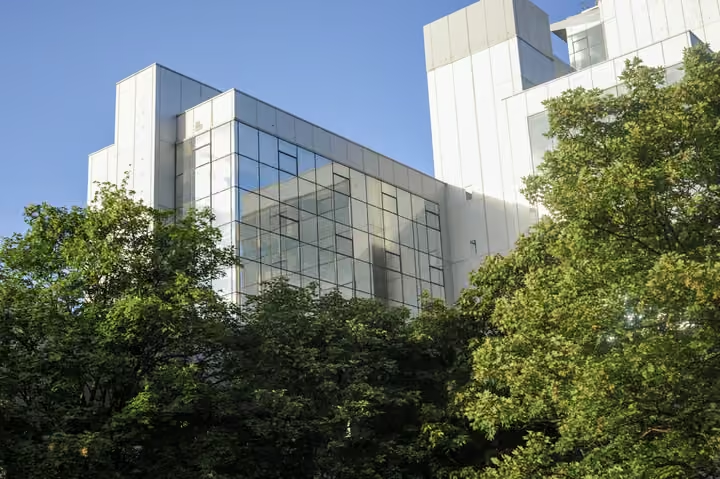
About 179D Program
What Type of Buildings Qualify?









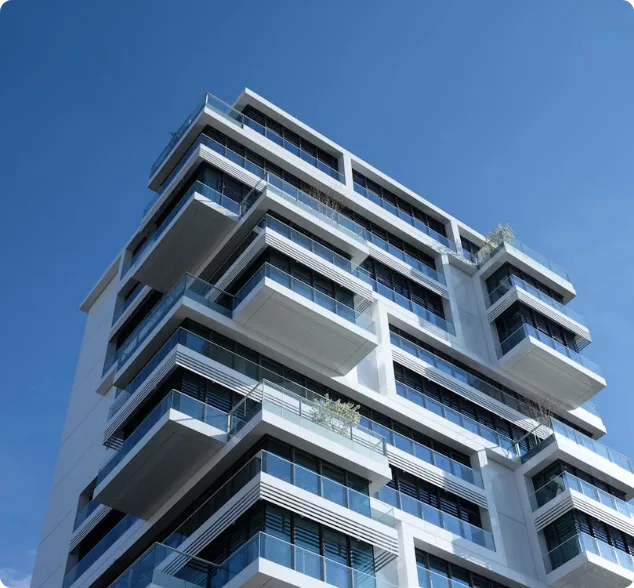
HOW THE 179D TAX DEDUCTION HELPS YOU SAVE
The Benefits of the 179D Tax Deduction in Massachusetts
Who in Massachusetts Can Benefit from the 179D Deduction?
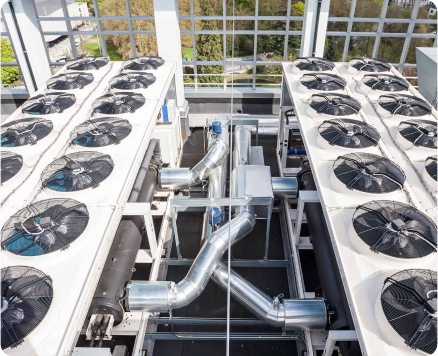
Building owners in Massachusetts who make energy-efficient improvements to their properties can unlock substantial tax savings through the 179D deduction. Whether you own a small office building, a retail space, or a large industrial complex, this tax incentive allows you to reduce your tax burden by implementing environmentally sustainable upgrades. The 179D deduction rewards you for making energy-saving changes such as upgrading to energy-efficient lighting systems, improving HVAC systems for optimized heating and cooling, or installing high-performance insulation that reduces overall energy consumption.
For building owners, the 179D deduction offers a powerful way to recoup a portion of the capital investment required for these upgrades. By qualifying for up to $5.00 per square foot in deductions, owners can realize immediate and long-term cost savings, both in terms of reduced energy bills and tax savings. Additionally, energy-efficient buildings can enhance property values and tenant satisfaction, making them more attractive to environmentally conscious businesses or organizations.
Architects and engineers in Massachusetts play a crucial role in the design and construction of energy-efficient buildings, and they too can benefit from the 179D tax deduction. While traditionally the deduction has been claimed by building owners, the 179D deduction also provides unique opportunities for architects, engineers, and contractors working on government-owned properties. When these professionals design energy-efficient features—such as advanced lighting systems, high-efficiency HVAC systems, and building envelopes for government-owned or public-use buildings—they are eligible to claim this deduction for their contributions to reducing energy consumption.
The 179D deduction is a key incentive for architects and engineers looking to promote sustainable design practices. It not only provides financial benefits but also supports your reputation as a leader in green building. Whether you're designing new government buildings or retrofitting existing ones, the 179D deduction offers a chance to claim up to $1.80 per square foot for energy-efficient design. This makes it an attractive incentive for firms looking to increase their project margins while contributing to sustainable development goals.

Thank you for your interest in TaxTaker!

Download our 179D Guide for Massachusetts Commercial Buildings
What Building Improvements are Eligible under 179D?




Massachusetts and Local Energy-Efficiency Incentives
In addition to the 179D tax deduction, Massachusetts offers numerous energy-efficiency incentives to encourage the use of clean energy technologies and reduce the costs of energy-efficient building improvements.
- Renewable Energy Property Tax Exemption: Massachusetts provides a property tax exemption for buildings that incorporate renewable energy systems, such as solar or wind, helping property owners reduce tax burdens on energy-efficient developments. [1]
- Green Communities Grant Program: This program provides financial assistance to municipalities that commit to reducing energy consumption by 20%, supporting local governments in implementing renewable energy and energy efficiency initiatives. [2]
- USDA - High Energy Cost Grant Program: This federal program offers grants to businesses and communities in areas with high energy costs, helping cover the cost of renewable energy and energy efficiency upgrades. [3]
- Mass Save (Electric) - Large Commercial Retrofit Program: This program offers rebates and incentives to large commercial properties for deep energy retrofits, helping businesses reduce energy consumption and operating costs. [4]
- Business Energy Investment Tax Credit (ITC): The ITC provides federal tax credits to businesses that invest in renewable energy systems, such as solar and wind, encouraging the adoption of clean energy technologies. [5]
- Renewable Electricity Production Tax Credit (PTC): The PTC provides financial incentives for businesses that generate electricity from renewable sources like solar, wind, and geothermal, helping offset production costs. [6]
- Alternative Fuel Vehicle Refueling Property Tax Credit: This tax credit encourages businesses to install alternative fuel vehicle refueling stations, supporting the expansion of electric and clean fuel vehicle infrastructure. [7]
City-Specific Green Building Requirements in Massachusetts
Massachusetts has implemented a range of green building standards and energy codes to promote sustainability and energy efficiency. These regulations help building owners and developers comply with state environmental goals and qualify for tax incentives like the 179D deduction.
Building Energy Code
The Massachusetts Building Energy Code establishes energy efficiency requirements for new and existing buildings, ensuring that construction projects meet minimum energy performance standards.
Massachusetts LEED Plus 2.0 Standard for New Construction
This standard requires state-funded construction projects to meet or exceed LEED certification while incorporating energy efficiency and renewable energy technologies.
Massachusetts Solar Easements & Rights Laws
These laws protect property owners’ rights to install and maintain solar energy systems by granting solar access easements, ensuring that future developments do not block sunlight to installed solar panels.
City of Boston - Green Building Standard
Boston’s Green Building Standard sets energy efficiency and sustainability criteria for large construction projects, promoting environmentally friendly development and reduced energy use in the city.
Get a Personalized 179D Assessment for your Project
Frequently Asked Questions

Our specialized accounting and engineering teams have been securing these tax incentives for over a decade. Our highly specialized experience means your business is positioned for the maximum amount of benefit, with the confidence that you've got an accurate and complete deliverable every time. So far we have completed thousands of studies and saved our clients more than $100 million.
We also respect and want you to keep your existing accountant and bookkeeping relationships. We simply cover specific portions of the federal tax code with the finest precision so your existing teams are well supported and you spend your time doing what you do best: building your company - while getting lots of money back every year!
It is possible that your CPA has taken other deductions but not necessarily the 179D Tax Deduction. Incentives like 179D and 45L require an in person site visit from an engineer that most CPA’s are not qualified to perform.
Yes, the energy incentives in the Inflation Reduction Act (IRA) are legitimate and have been designed to promote investments in renewable energy, energy efficiency, and the transition to a cleaner energy economy.
The Inflation Reduction Act (IRA) introduced several significant updates to key tax incentives, including the Investment Tax Credit (ITC), Section 179D for energy-efficient commercial buildings, Section 30C for alternative fuel vehicle refueling property, and Section 45L for residential energy-efficient property.
The best time to evaluate energy incentives like the 179D deduction, 45L tax credit, and the Investment Tax Credit (ITC) is right at the beginning of your project planning phase. Doing this early allows you to design your project to meet specific requirements, ensuring you qualify for maximum benefits and can plan your budget effectively. It also helps you integrate energy-efficient technologies and renewable energy systems from the start, rather than retrofitting later, and gives you ample time to gather necessary documentation for compliance.
Working with TaxTaker is risk free. TaxTaker collects a success fee only if you qualify for a tax credit.